
Our Story
From an Overgrown Property to Sawmill Farm
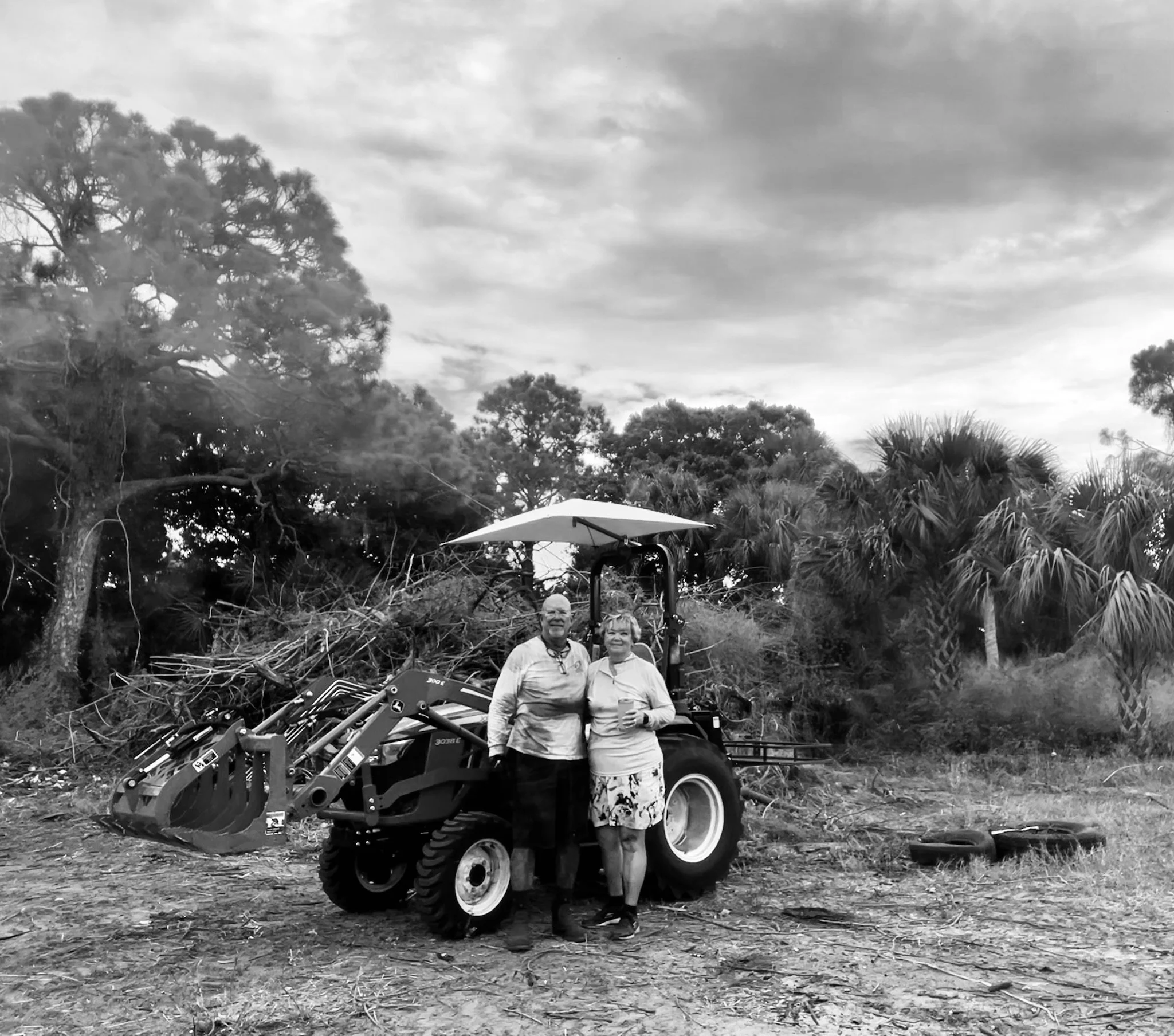
When Debbie and John Lindsey purchased ten acres in Grant-Valkaria with their son Ian, it was difficult to imagine what the property might someday become. Much of the land was heavily overgrown, primarily with invasive Brazilian pepper trees. Beneath that growth were years of discarded tires, scrap metal, machinery and garbage.
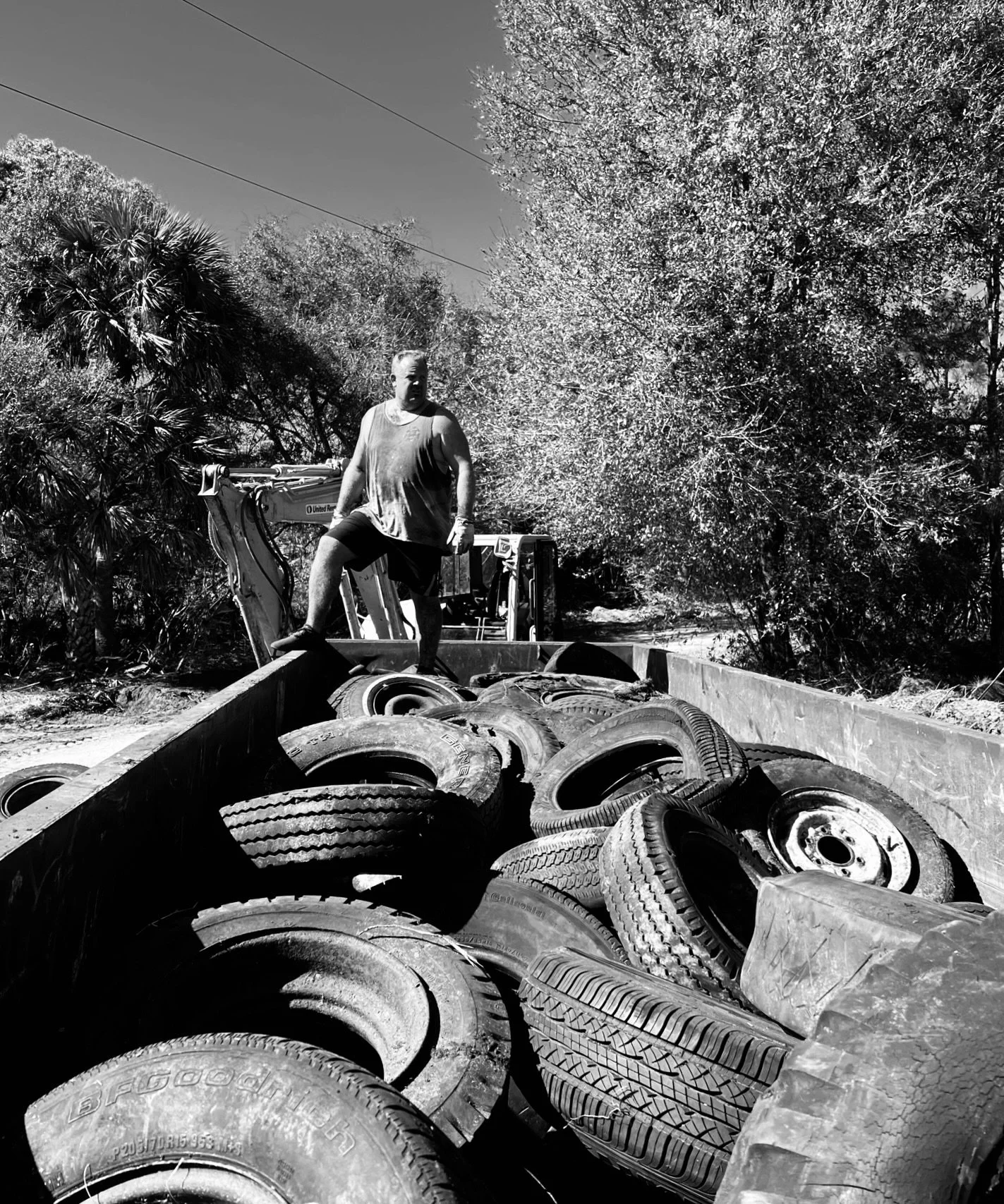
Ian and I undertook most of the clearing ourselves. Over roughly three years, we removed vegetation, hauled away dumpster loads of debris and dozens of old tires, and gradually reclaimed enough of the property to begin building the farm we had imagined.
Why Sawmill Farm?
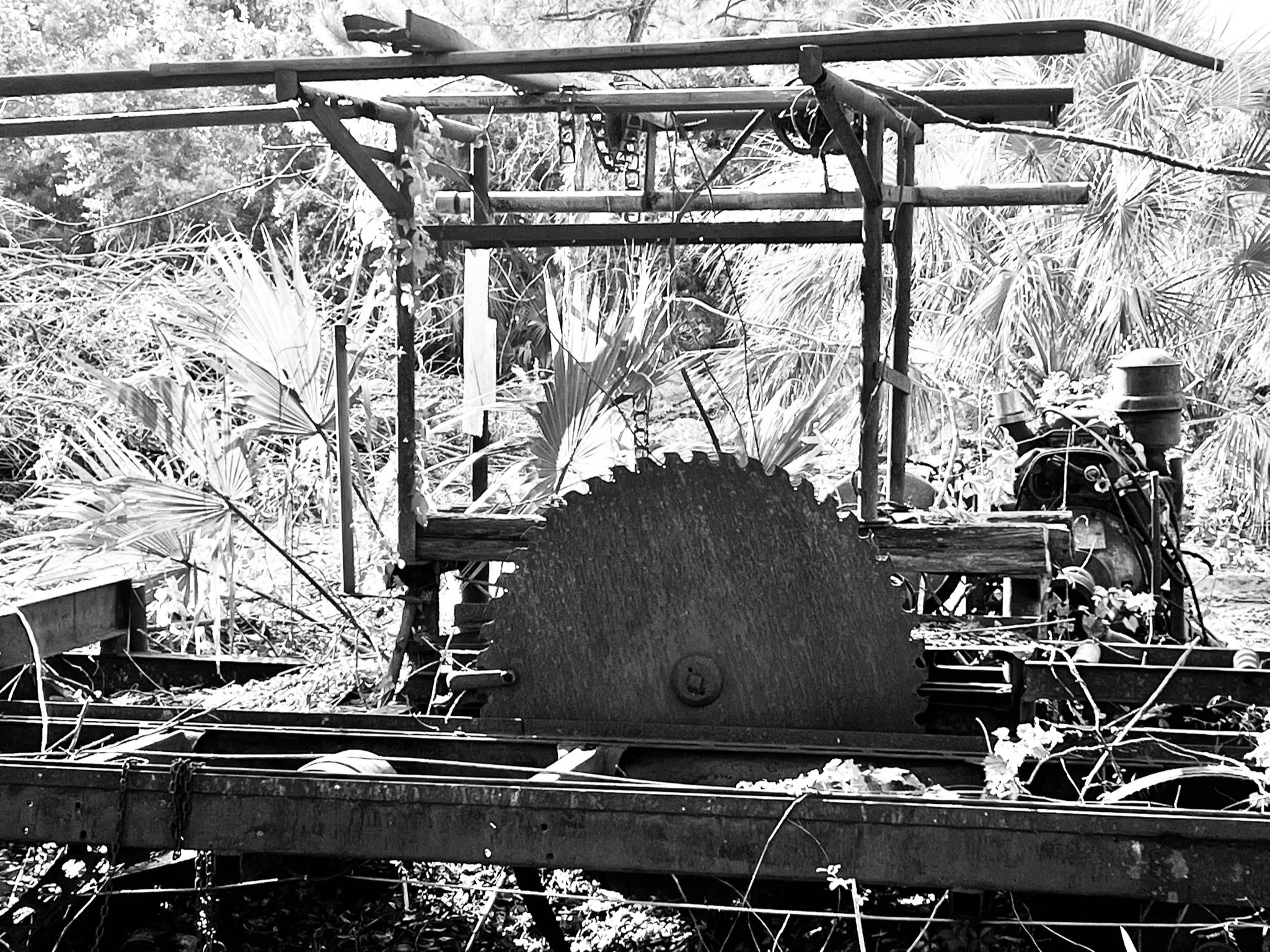
The name Sawmill Farm comes directly from the history of this property. When we purchased the land, an old sawmill still stood among the overgrowth, complete with its massive circular saw blade and much of its original machinery.
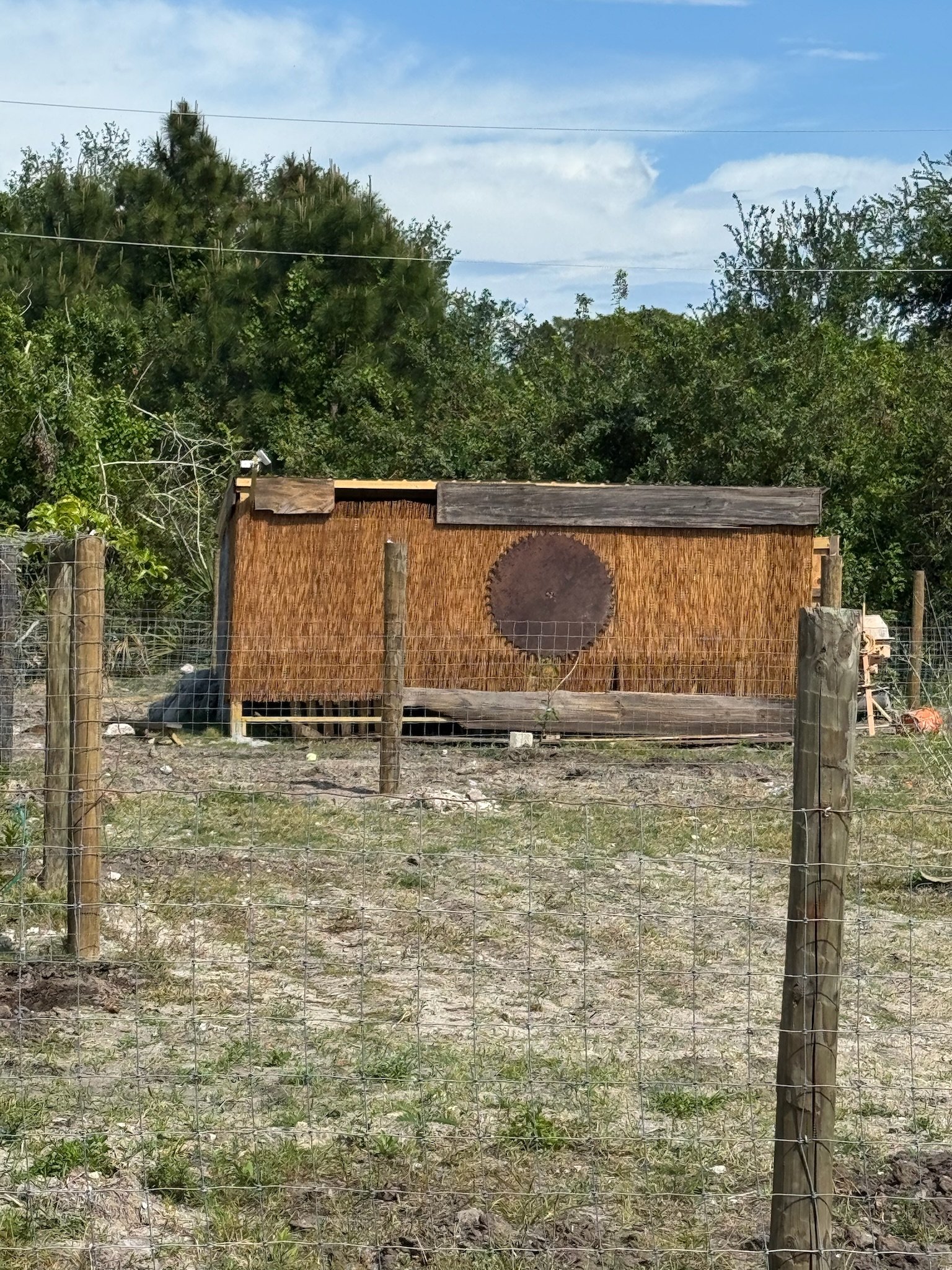
Although the sawmill itself had deteriorated beyond saving, it became part of the identity of the farm we were creating. We kept one of the large saw blades, and it now hangs on the front of our first chicken house—a reminder of what was here before us and where Sawmill Farm began.
Building the Farm
What began as an effort to reclaim an overgrown piece of land gradually became the farm we had imagined. As the property was cleared, we planted tropical fruit trees, including bananas, and began raising free-range chickens.
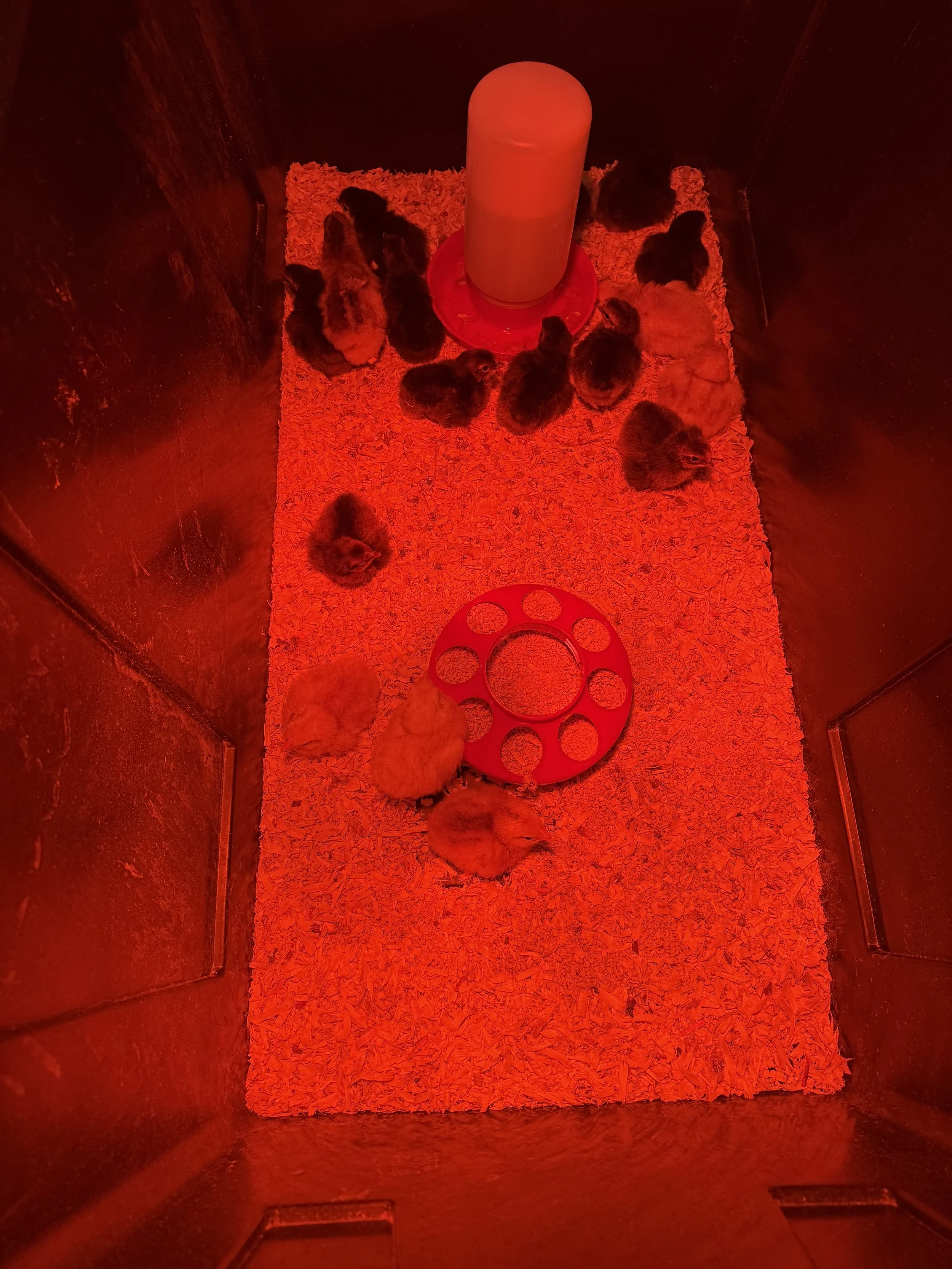
Many of the chickens now living at Sawmill Farm were hatched right here on the property. Watching chicks emerge from eggs we collected from our own flock and grow into laying hens has become one of the most rewarding parts of building the farm.
The land has also become home to honeybees. A local beekeeping company leases a portion of the property for its hives, adding another agricultural use to land that only a few years earlier was largely inaccessible.
Sawmill Farm continues to evolve. It reflects our vision for creating something lasting from this land — a working family farm that can be enjoyed today and eventually passed on to Ian and his family.
The Farm Today — and Tomorrow
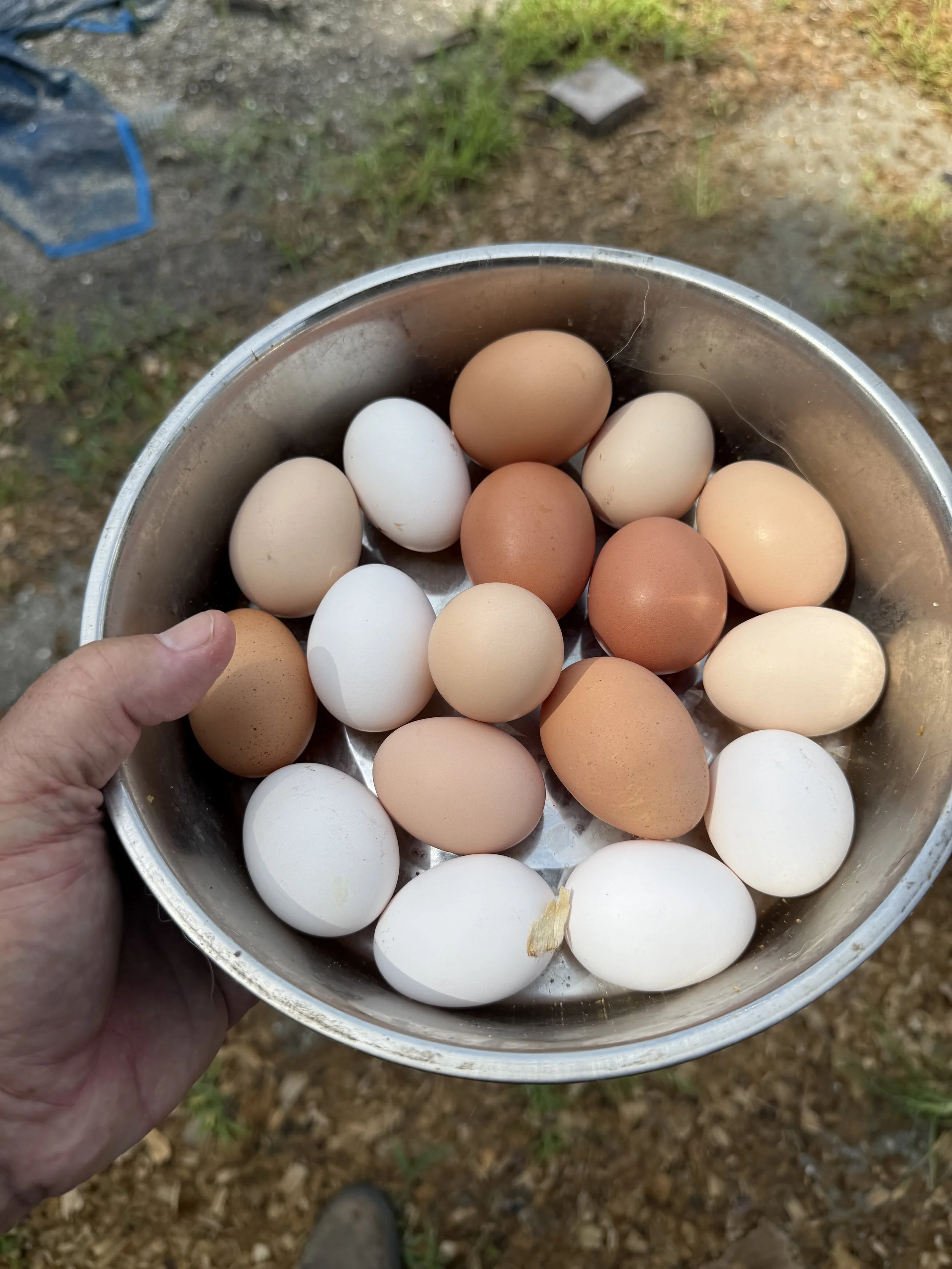
Today, Sawmill Farm is a working family farm shaped by the land we reclaimed and the life we have built on it. Our free-range chickens provide fresh eggs, tropical fruit trees grow across the property, and a local beekeeper maintains hives on a portion of the farm.
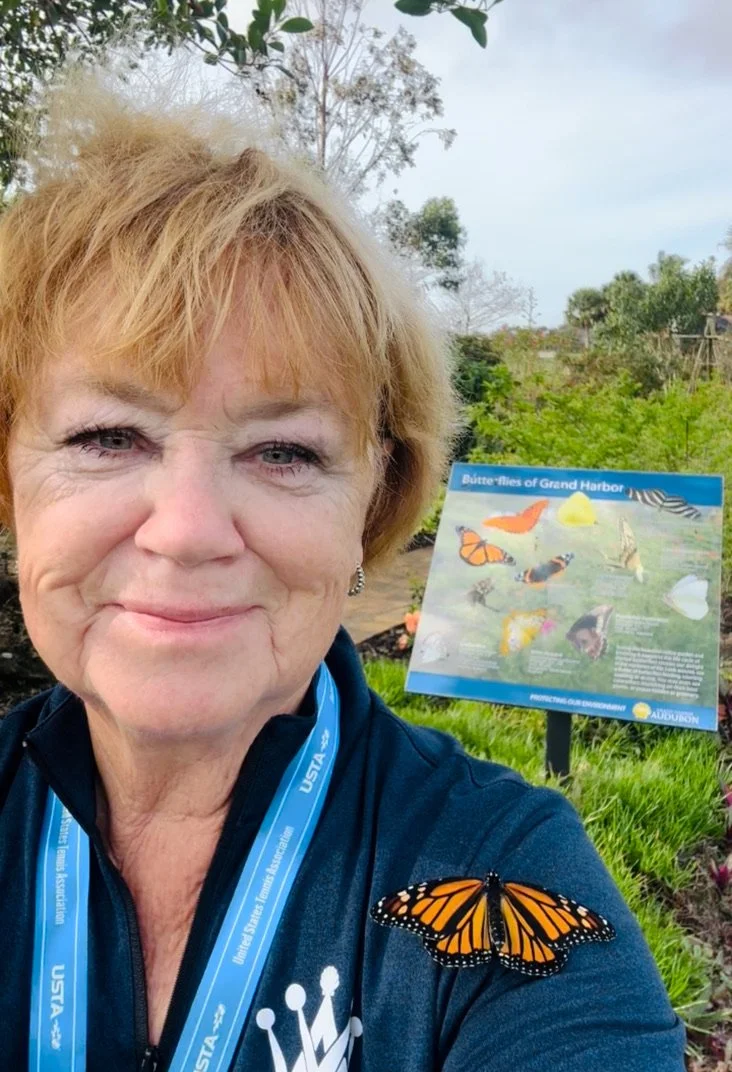
But Sawmill Farm has always been about more than what we produce. It is about creating something lasting — caring for the land, enjoying it as a family, and continuing to build on the vision we shared when we first saw what this overgrown property might become. As the farm develops, we plan to add more native plants, grow milkweed for monarch butterflies, and create habitat that encourages butterflies, bees, birds, and other wildlife — things that were especially important to Debbie.
Explore the Art of Debbie Lindsey →
In time, this land will pass to Ian and his family. Our hope is that Sawmill Farm will continue to grow and change with them, while remaining a place rooted in family, hard work, respect for the land, and an appreciation for the natural world around us.
Continuing Debbie’s Legacy
A portion of the proceeds from the sale of Debbie’s artwork supports pancreatic cancer research at the University of Nebraska. If you would like to make a direct contribution in Debbie’s memory, gifts may be made to the Debra Lindsey Professorship in Pancreatic Cancer Fund at the University of Nebraska Foundation.
Debbie Lindsey · 1955–2024